
How Water-Based Aerogel Insulation is Revolutionizing Industrial Thermal Management and Safety Standards
How Water-Based Aerogel Insulation is Revolutionizing Industrial Thermal Management and Safety Standards
The thermal insulation industry is undergoing a profound and rapid transformation, driven by an intersection of global policy shifts, increasingly stringent fire safety regulations, and the explosive growth of new energy technologies. As governments and international regulatory bodies intensify their requirements for building energy efficiency, industrial thermal loss reduction, and electric vehicle (EV) battery safety, the limitations of traditional insulation materials have become glaringly apparent. To meet the complex demands of the modern industrial landscape, advanced materials like aerogel are no longer just an option; they are a critical necessity for the future of sustainable engineering and thermal protection.
In this comprehensive technical deep-dive, we will explore why aerogel is recognized as the “hexagonal all-round warrior” of the insulation world. We will analyze the specific engineering challenges faced by modern industries, compare advanced water-based film aerogel composites with traditional materials, and examine real-world applications where these next-generation materials are preventing catastrophic thermal events and driving global decarbonization efforts.
1. The Engineering Challenges of Modern Thermal Management
Across the European Union, the United States, and Asia, aggressive carbon-reduction strategies are reshaping material standards. From the EU’s Energy Performance of Buildings Directive (EPBD) to strict industrial decarbonization requirements in the petrochemical sector, materials must now deliver lower thermal conductivity, higher fire safety, longer service life, and a lower environmental impact.
Concurrently, the booming New Energy Vehicle (NEV) market has introduced unprecedented thermal management challenges. The pursuit of ultra-fast charging capabilities—such as 9-minute flash charging systems—generates extreme heat, demanding thermal barriers that can prevent thermal runaway and cell-to-cell heat propagation. Traditional materials like rock wool, glass wool, and rigid polyurethane foam simply cannot meet these dual demands of ultra-thin profiles and extreme thermal resistance.
The Limitations of Legacy Materials
- Flammability: Rigid polyurethane foams and molded polystyrene, while offering decent thermal resistance, are inherently flammable and pose severe fire risks in industrial and building applications.
- Moisture Absorption: Materials like rock wool and glass wool have high water absorption rates. When these materials absorb moisture, their thermal conductivity spikes, leading to massive energy losses and phenomena such as Corrosion Under Insulation (CUI) in industrial pipelines.
- Thickness and Space Constraints: To achieve required insulation values, traditional materials require significant thickness, which is fundamentally incompatible with the space-constrained designs of modern EV battery packs and aerospace applications.
2. What Is Aerogel? The Physics of the “Hexagonal Warrior”
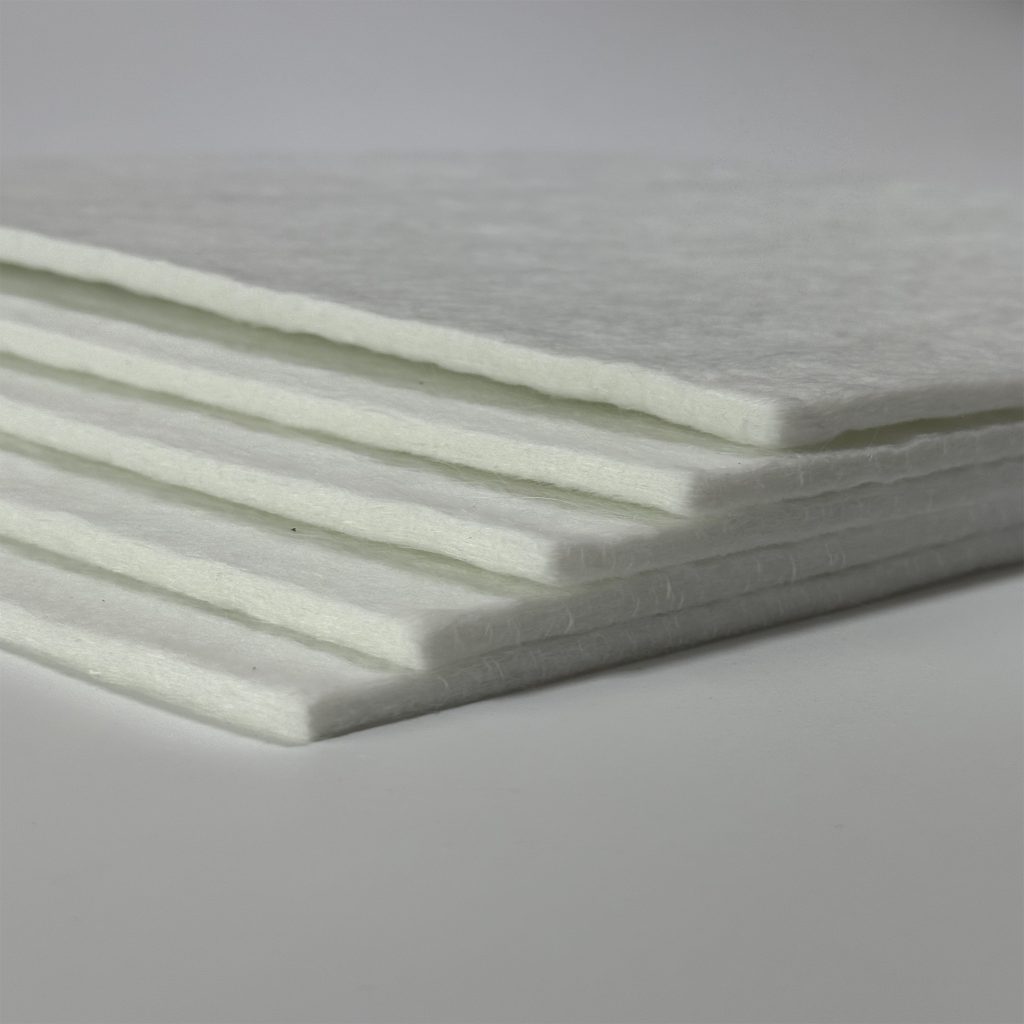
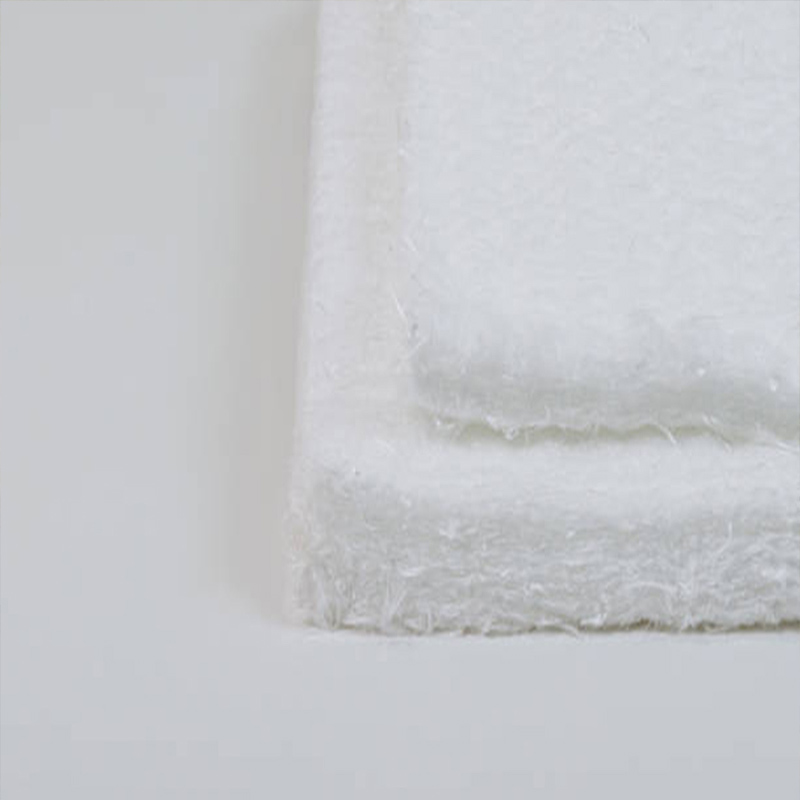
Aerogel is a revolutionary nanomaterial formed by the polycondensation of colloidal particles or polymer molecules into a nanostructure, where the liquid in the gel pores is replaced by gas through a special drying process without collapsing the gel skeleton. This creates a three-dimensional porous network that makes aerogel one of the most effective insulating materials in existence.
The Three Pillars of Aerogel’s Thermal Resistance
Aerogel effectively neutralizes the three mechanisms of heat transfer:
- Solid Thermal Conduction: The nanoscale skeleton of the aerogel extends the thermal conduction path to near infinity, reducing solid heat transfer to an absolute minimum.
- Thermal Convection: The pores within the aerogel are smaller than the mean free path of gas molecules. This confines the gas molecules within the nanopores, stripping them of their mobility and almost entirely eliminating convective heat transfer.
- Thermal Radiation: The walls of the nanopores act as an infinite number of heat shields, severely restricting the transmission of radiant heat.
As a result of this unique structure, aerogel products—such as those utilizing glass fiber or ceramic fiber substrates—achieve an astonishingly low thermal conductivity of 0.020 W/(m·K) to 0.023 W/(m·K) at room temperature (25°C). Furthermore, unlike many traditional materials, the thermal conductivity of aerogel rises very slowly as temperatures increase, making its insulation effects even more pronounced in high-temperature environments.
3. Disrupting the Market: Water-Based Film Technology vs. Supercritical Drying
Historically, the widespread adoption of aerogel in industrial applications was hindered by high manufacturing costs and production bottlenecks. Traditional manufacturing relies on supercritical drying processes using ethanol. This method is highly flammable, poses significant safety risks during production, requires chemical-grade land zoning, and involves massive capital expenditure (up to 120 to 150 million RMB per production line) with construction cycles lasting up to two years.
The Water-Based Film Paradigm Shift
Leading innovators, such as Skyboys (Hangzhou) Technology Co., Ltd., have developed a disruptive “water-based film” technology to solve the “performance-safety-cost” engineering trilemma. This proprietary method utilizes a water-based film formulation as a coating carrier, allowing the aerogel to better penetrate and remain within the substrate (such as synthetic fiber felt), thereby increasing the accumulation of effective fireproof and heat-insulating components.
Key advantages of the water-based film process include:
- Massive Cost Reduction: Equipment investment is reduced by 83%.
- Rapid Capacity Expansion: The construction period for a production line is shortened by 75%
- Unmatched Safety and Eco-Friendliness: The process replaces volatile ethanol with an independently developed permeation liquid under ambient pressure, eliminating explosion risks and drastically reducing VOC emissions.
- Superior Fire Performance: The process uses a proprietary hot-melt adhesive to encapsulate mineral powder and foam, creating a “film” structure at the nanoscale. This makes the fire resistance of the material 3 to 4 times superior to competing products of the same thickness.
Backed by international patents, including US and Japanese patent authorizations, this process shifts the industry away from high-energy, high-cost ethanol replacement toward a controllable, environmentally friendly, and highly scalable closed-loop production model.
4. Technical Comparison: Aerogel vs. Traditional Insulation Materials
To quantify the engineering advantages, the following table compares advanced aerogel insulation felt against legacy industrial insulation materials.
| Performance Indicators | Aerogel Insulation Felt | Rigid Polyurethane Foam | Molded Polystyrene | Rock Wool Felt | Glass Wool Felt |
|---|---|---|---|---|---|
| Operating Temp (°C) | -200 ~ 1500 | -65 ~ 80 | < 70 | ≤400 | ≤350 |
| Thermal Conductivity (W/m·K) | ≤0.020 | ≤0.023 | 0.03 ~ 0.045 | ≤0.044 | ≤0.046 |
| Combustibility | Non-combustible | Flammable | Flammable | Flammable | Non-combustible |
| Water Absorption | Hydrophobic | 0.118 kg/m³ | 0.15 kg/m³ | High | High |
| Density (kg/m³) | ≤200 | 45 ~ 55 | 15 ~ 50 | 60 ~ 100 | 24 ~ 48 |
Note: Aerogel provides unmatched high-temperature stability and hydrophobicity while maintaining the lowest thermal conductivity in the class.
5. Real-World Application Scenarios and Deep Insights
Aerogel’s unique profile—combining thermal resistance, fireproofing, and a lightweight footprint—makes it the material of choice for the world’s most demanding industrial applications.
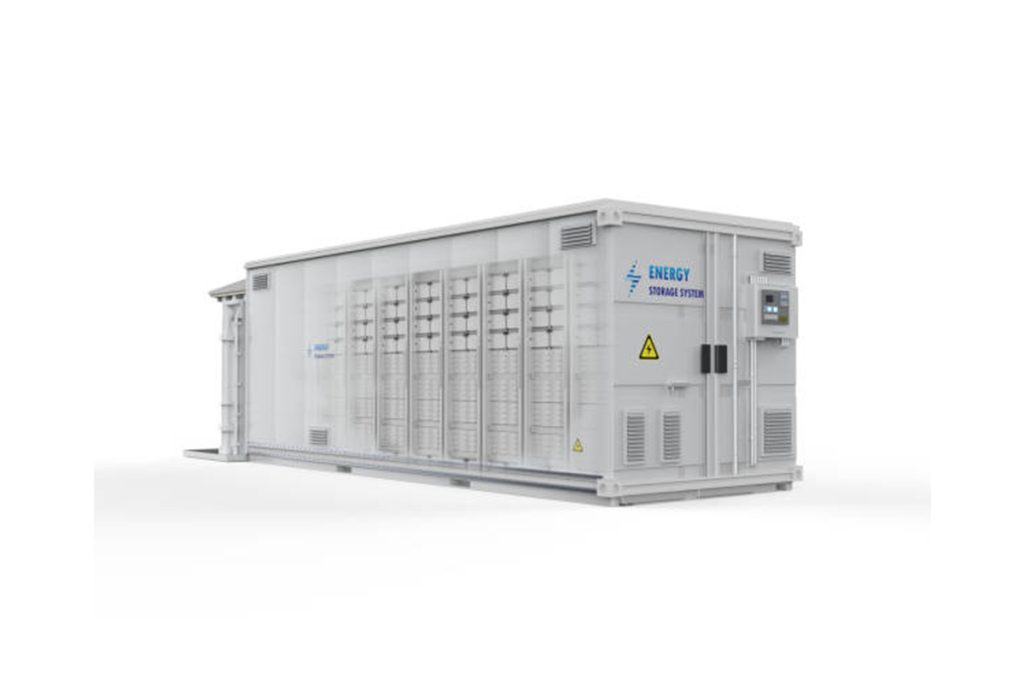
Ultra-Fast Charging EV Batteries and Energy Storage Systems (ESS)
The EV industry is moving rapidly toward ultra-fast charging, such as the 9-minute flash charge. However, faster charging requires thinner electrodes, which can compromise thermal safety. Battery safety materials are now the critical bottleneck.
In extreme testing parameters designed to push battery safety to the absolute limit, aerogel provides the ultimate thermal firewall. For example, advanced aerogel materials must endure:
- Flash-Charge Puncture: Sustaining 500 extreme flash-charge cycles (simulating years of aggressive use) followed immediately by a steel needle puncture while actively charging, resulting in no fire.
- Multi-Cell Short Circuits: Withstanding the simultaneous short-circuiting of 4 distinct cells at once. The aerogel thermal barrier suppresses thermal runaway completely, ensuring surrounding cells maintain normal temperatures.
In official testing by the Civil Aviation Administration of China (CAAC), high-performance water-based aerogel felt withstood a direct 1000°C flame for 30 minutes without burning through, vastly exceeding standard requirements. Furthermore, these materials achieve the stringent UL94-V0 and UL94-5VA flammability ratings, ensuring that even under extreme thermal stress, there is no burning, no toxic gas decomposition, and no melting droplets.
Industrial Pipelines and Petrochemical Facilities
In petrochemical refineries and LNG plants, controlling energy loss is vital for profitability and emission reduction. Traditional insulation requires massive bulk, making pipeline maintenance difficult. Aerogel felt reduces the required insulation thickness by a factor of 3 to 5 compared to traditional materials.
Crucially, aerogel possesses a hydrophobicity rate of ≥98%. It does not disintegrate or settle when exposed to rain or moisture, practically eliminating the risk of pipeline corrosion caused by trapped water (CUI). It also withstands rapid thermal shocks from -40°C to 200°C without any degradation in performance.
Aerospace and High-Temperature Equipment
Aerogel composites are increasingly specified in aerospace environments, where every gram of weight is scrutinized. The thermal protection systems of advanced spacecraft rely on similar principles of high-temperature evaporation and thermal blocking, validating the technical pathway of utilizing water-based film aerogels in extreme environments. With a continuous temperature resistance exceeding 1200°C, ceramic fiber aerogel felts are highly suitable for aerospace equipment, industrial furnaces, and power plant infrastructure.
6. Sustainability, Energy Efficiency, and Lifecycle Value
As global industrial sectors pivot to align with ESG (Environmental, Social, and Governance) targets and Net-Zero mandates, material selection must account for lifecycle sustainability.
Aerogel represents the pinnacle of sustainable insulation. Its ultra-low thermal conductivity (≤0.021 W/m·K) translates directly to massive reductions in energy loss across industrial pipelines and building envelopes. By requiring significantly less material thickness to achieve desired thermal resistance, aerogel reduces the overall material footprint and shipping carbon costs associated with large infrastructure projects.
Furthermore, advanced water-based film aerogels exhibit extraordinary chemical stability. They boast a long service life, with thermal performance degradation kept to less than 5% over a 10-year span. The production process itself is green and environmentally friendly, emitting no toxic or harmful substances, and achieving industry-leading low VOC metrics.
7. Conclusion: The Future Standard of Industrial Insulation
The empirical data and market trends point to an undeniable conclusion: the future of industrial thermal management belongs to advanced aerogel composites. Driven by the relentless demands of EV battery safety, stringent global fire codes, and urgent industrial decarbonization targets, traditional materials are rapidly being phased out.
Innovations like the water-based film process have shattered the historical cost and scalability barriers of aerogel production, democratizing access to this “hexagonal warrior” of materials. With unyielding resistance to 1000°C+ flames, uncompromising structural integrity, and exceptional hydrophobic properties, aerogel is not just insulating infrastructure—it is actively protecting human life and enabling the next generation of energy technologies.
Ready to upgrade your industrial thermal management systems?
If your engineering projects require uncompromising thermal efficiency, UL94-5VA fire safety, and space-saving insulation designs, it is time to transition to advanced aerogel solutions.