
What the Hong Kong Fire Reveals: The Urgent Need for Advanced Aerogel Fire-Resistant Materials in Modern Buildings
The recent Hong Kong fire highlights severe global challenges in high-rise building fire safety. This comprehensive guide analyzes the fatal flaws of traditional insulation, the physics of fire spread, and why UL94-5VA rated aerogel materials are the ultimate high-performance solution for modern urban construction and industrial thermal management.
Introduction: A Tragic Wake-Up Call for Global Architecture
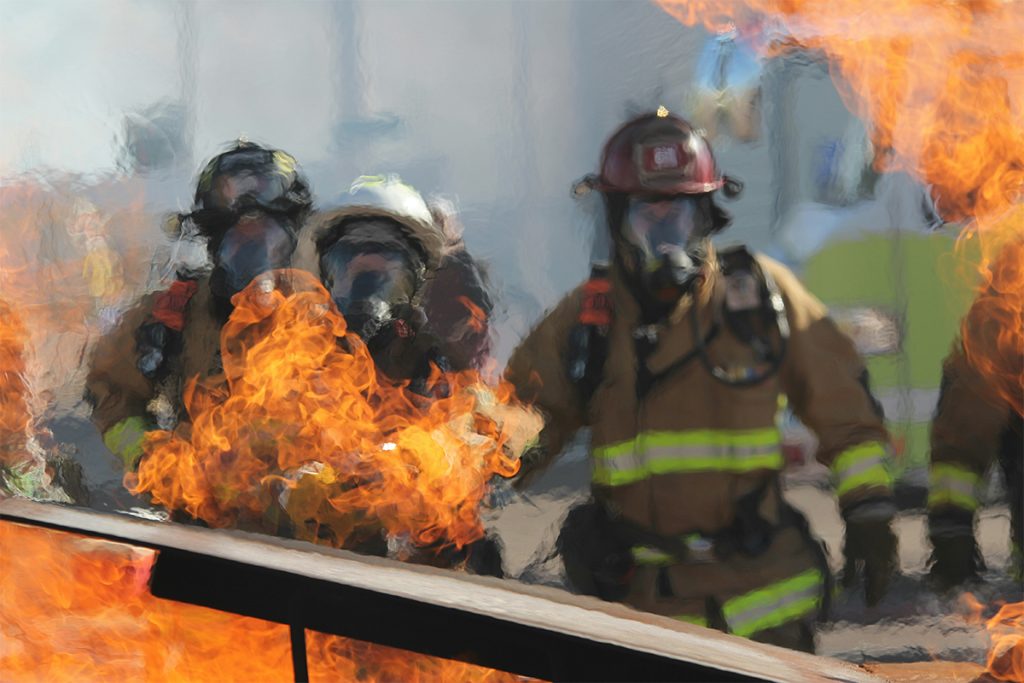
The recent large-scale fire in Hong Kong sent shockwaves through the region, reigniting an urgent, global dialogue regarding building fire safety, façade material selection, and the inherent risks of high-density urban construction. While official investigations are ongoing, preliminary analyses point to a recurring and deadly pattern: rapid vertical fire propagation and the catastrophic failure of conventional exterior cladding and insulation materials.
Such disasters are not isolated local incidents; they are symptomatic of a systemic global vulnerability. As urban centers expand vertically to accommodate growing populations, the architectural and engineering material choices we make today will dictate the safety, resilience, and survivability of our infrastructure tomorrow.
For engineers, EPC contractors, and industrial decision-makers, the lesson is clear: conventional thermal insulation and façade materials are no longer sufficient to mitigate the complex thermal loads of modern buildings. This article provides a deep dive into the engineering lessons learned from recent high-rise fires and explores how next-generation fire-resistant materials—specifically water-based film aerogel composites—offer a scientifically proven, highly scalable solution to prevent future tragedies.
1. The Escalating Fire Risks in High-Density Urban Construction (Deep Dive)
Major metropolitan hubs like Hong Kong, Singapore, Dubai, and Shanghai are characterized by their extreme building density and soaring skylines. While these vertical cities represent marvels of modern engineering, they also create highly complex fire safety environments.
When a fire ignites in a high-rise structure, the thermal dynamics change drastically compared to low-rise buildings. Several factors compound the risk:
- The Chimney Effect in Curtain Walls: Modern high-rises frequently utilize glass curtain walls. If the horizontal and vertical gaps between the floor slabs and the exterior cladding are not properly sealed with high-performance, non-combustible materials, a “chimney effect” occurs. Superheated air and flames are drawn rapidly upward through these cavities, spreading fire across multiple floors in a matter of minutes.
- Extreme Thermal Loads: Modern building interiors and composite façades contain significantly higher volumes of synthetic polymers than buildings from previous decades. This drastically increases the potential fire load, resulting in hotter, faster-burning fires.
- Structural Steel Weakening: Structural steel, the backbone of modern high-rises, begins to lose its load-bearing capacity rapidly when exposed to temperatures exceeding 500°C. Inadequate thermal barriers around structural components can lead to localized or total structural failure long before evacuation is complete.
- Logistical Evacuation Constraints: In high-density megastructures, the time required to evacuate thousands of occupants often exceeds the structural integrity timeframe of conventional fireproofing materials.
The Hong Kong incident is a harsh reminder that relying on outdated fire protection strategies and legacy materials is a dangerous gamble in the modern architectural landscape.
2. The Fatal Flaws of Traditional Façade and Insulation Materials
To understand why fires spread with such devastating speed, we must examine the physical limitations of the insulation materials traditionally used in exterior façades, thermal bridges, and joint seals.
2.1 Organic-Based Insulation (EPS, XPS, PU Foam)
For years, Expanded Polystyrene (EPS), Extruded Polystyrene (XPS), and Polyurethane (PU) foams have been the industry standard due to their low cost and reasonable thermal resistance. However, these organic materials are inherently highly combustible. Even when treated with chemical flame retardants, they possess low melting points. Upon exposure to extreme heat, they can ignite, melt into burning droplets that spread secondary fires, and emit highly toxic smoke—often the leading cause of fatalities.
2.2 Traditional Inorganic Materials (Rock Wool and Glass Wool)
While mineral wools are non-combustible, they suffer from severe engineering limitations. Chief among these is their high water absorption rate. In humid environments like Hong Kong, or when exposed to weather during construction, these materials absorb moisture. Water acts as an excellent thermal conductor; once wet, rock wool loses its insulating properties entirely. Furthermore, these materials are bulky, requiring thick application layers that consume valuable architectural space, and they are prone to settling and degrading over time, leaving voids where fire can penetrate.
3. What Is Aerogel Insulation and How Does It Redefine Fire Safety?
As the limitations of traditional materials become undeniable, the industry is pivoting toward nanomaterials. Aerogel, often referred to as the “hexagonal all-round warrior” of the insulation world, is fundamentally changing the paradigm of thermal management and fire protection.
The Physics of Aerogel
Aerogel is a highly porous, synthetic ultralight material derived from a gel, in which the liquid component has been replaced with gas without collapsing the gel’s nanostructure. This creates a three-dimensional network of nanopores.
Aerogel achieves its extreme thermal resistance by neutralizing all three methods of heat transfer:
- Solid Conduction: The tortuous, microscopic skeletal structure creates an almost infinitely long path for heat to travel, drastically minimizing solid conduction.
- Gas Convection: The nanopores within aerogel are smaller than the mean free path of gas molecules. Air is effectively trapped and immobilized, completely eliminating convective heat transfer.
- Thermal Radiation: The innumerable pore walls act as an infinite series of heat shields, blocking infrared radiation.
The Breakthrough: Water-Based Film Technology
Historically, aerogel adoption was limited by the high costs and hazardous nature of supercritical ethanol drying processes. However, industry innovators like SkyBoys (Hangzhou) Technology Co., Ltd. have revolutionized manufacturing through proprietary Water-Based Film Technology.
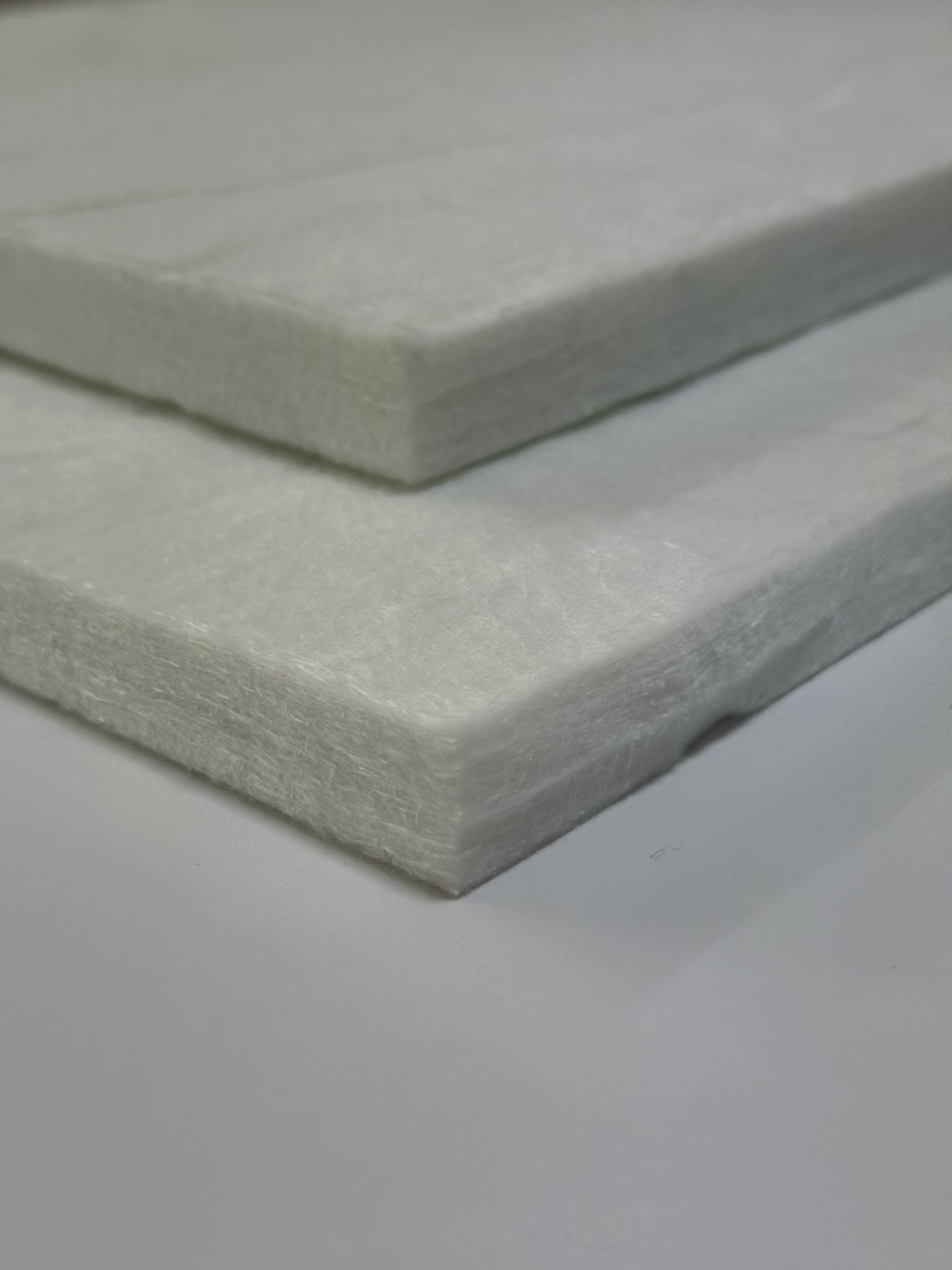
By utilizing a water-based film formulation as a coating carrier, aerogel can now deeply penetrate and permanently bond to substrates like fiberglass or ceramic fiber felts. This process operates at ambient pressure, entirely eliminating the use of volatile ethanol. The result is a non-toxic, eco-friendly manufacturing process that reduces equipment costs by 83% and delivers a significantly superior, ultra-safe final product.
4. Technical Comparison: Aerogel vs. Traditional Insulation Materials
To provide a clear engineering perspective, the following table compares advanced aerogel insulation felt against legacy materials commonly used in industrial and commercial construction.
| Performance Indicators | Advanced Aerogel Felt (SkyBoys) | Rigid Polyurethane (PU) Foam | Molded Polystyrene (EPS/XPS) | Rock Wool Felt | Glass Wool Felt |
|---|---|---|---|---|---|
| Operating Temp (°C) | -200 ~ 1500 | -65 ~ 80 | < 70 | 400 | 350 |
| Thermal Conductivity | 0.021W/m·K | 0.023 ~ 0.030 W/m·K | 0.030 ~ 0.045 W/m·K | 0.044W/m·K | 0.046W/m·K |
| Combustibility | Class A (Non-combustible) | Flammable | Flammable | Non-combustible | Non-combustible |
| Fire Safety Rating | UL94-5VA / V0 | Varies (often fails) | Varies (often fails) | N/A (Structural decay) | N/A |
| Water Absorption | Hydrophobic (>98%) | 0.118 kg/m³ | 0.150 kg/m³ | High (Absorbs easily) | High (Absorbs easily) |
| Lifespan Stability | > 10 Years (No settling) | Subject to degradation | Subject to shrinking | Settles/Crumbles | Settles/Crumbles |
Data demonstrates that aerogel provides the lowest thermal conductivity in its class while maintaining absolute non-combustibility and hydrophobic performance.
5. Uncompromising Fire Safety: UL94-5VA and 1000°C Endurance (Deep Dive)
When specifying materials for high-risk megastructures or industrial energy systems, standard fire ratings are merely a baseline. Advanced aerogel materials push safety parameters to the absolute limit.
Achieving UL94-5VA Certification
Many materials claim to be flame retardant, achieving a UL94-V0 rating, which means burning stops within 10 seconds on a vertical specimen, with no flaming drips. However, advanced aerogel materials from SkyBoys go a step further, achieving the ultra-stringent UL94-5VA rating.
To pass the 5VA test, a material is subjected to a flame that is five times more severe than the V0 test. The material must not only self-extinguish rapidly but also completely resist burn-through (no hole formation). SkyBoys’ aerogel is currently the only product in its Asian market category to meet this extreme standard, ensuring that even under severe, sustained fire exposure, the material remains an impenetrable thermal barrier.
The CAAC 1000°C Burn-Through Test
In specialized testing conducted by the Civil Aviation Administration of China (CAAC)—which traditionally demands materials withstand 1000°C for 4 minutes without burning through—SkyBoys’ 10mm water-based film aerogel achieved an astonishing milestone. The material sustained a direct 1000°C to 1600°C flame blast for 30 continuous minutes without burning through, while maintaining incredibly low heat flux on the unexposed side.
This level of thermal endurance is exactly what is required to prevent floor-to-floor fire spread in high-rise curtain walls.
6. Critical Applications in Industrial and Commercial Sectors
The unique properties of aerogel make it an indispensable asset across multiple high-stakes engineering applications:
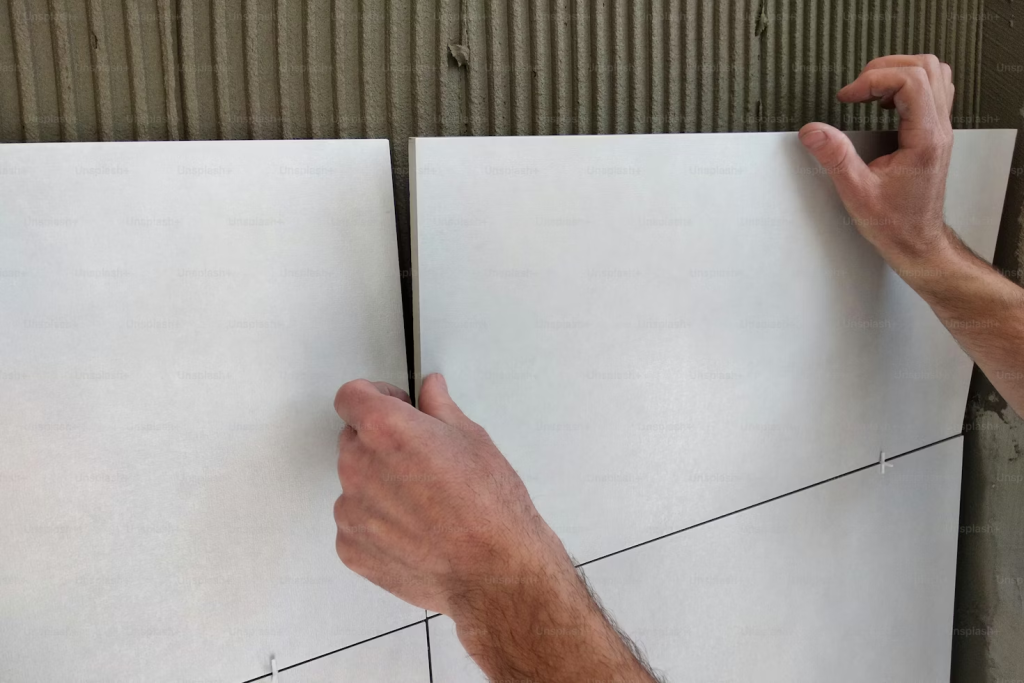
- Curtain Wall Joint Sealing & Façade Insulation: By filling vertical and horizontal gaps with 0.021 W/m·K aerogel, architects can completely block flame penetration and eliminate the chimney effect in high-rises. Its inorganic nature ensures the exterior façade remains non-combustible.
- Energy Storage Systems (ESS) and EV Batteries: With the advent of ultra-fast charging (e.g., 9-minute flash charging), battery thermal management is paramount. Aerogel acts as an impenetrable cell-to-cell thermal barrier, suppressing thermal runaway and preventing battery packs from igniting or exploding even under catastrophic short-circuit conditions.
- Structural Steel Thermal Protection: Aerogel wraps insulate structural steel, drastically slowing the rate of temperature rise during a fire. This significantly delays structural fatigue, buying crucial time for evacuation and firefighting operations.
- Electrical Cabling & HVAC Fire Protection: Applying thin, lightweight aerogel wraps to ductwork and cable trays prevents the rapid transfer of heat through a building’s internal vascular system.
7. Sustainability & Energy Efficiency: The 0.021 W/m·K Advantage
Modern building codes are driven not only by safety but by stringent Net-Zero carbon mandates. Material selection must address both.
Aerogel’s ultra-low thermal conductivity of 0.021 W/m·K makes it one of the most highly efficient insulators ever created. By utilizing aerogel, engineers can achieve the required thermal resistance (R-value) using a fraction of the thickness required by traditional materials. This translates to thinner walls, more usable floor space, and significantly reduced material volumes.
Furthermore, the advanced water-based manufacturing process ensures the product is completely clean and non-toxic, with zero VOC emissions. Combined with a lifespan exceeding 10 years and robust hydrophobic properties (>98%) that prevent moisture-induced thermal degradation, aerogel drastically lowers a building’s lifecycle carbon footprint and energy consumption.
Conclusion: Fire Safety Begins With Material Selection
The devastating fire in Hong Kong serves as a tragic but vital reminder: passive fire protection and overall building safety do not begin with alarms or sprinklers—they begin at the molecular level of the materials we specify.
Modern infrastructure—from towering vertical cities to high-voltage energy storage facilities—requires thermal management systems that can withstand extreme heat, prevent thermal propagation, and resist environmental degradation over decades. By transitioning from vulnerable legacy plastics and moisture-prone mineral wools to UL94-5VA rated, water-based film aerogel materials, EPC contractors and developers can fundamentally secure their assets.
Aerogel is no longer a material of the future; it is the urgent requirement of today.
Secure your next project with industry-leading thermal technology.
SkyBoys (Hangzhou) Technology Co., Ltd. provides a full spectrum of UL94-5VA aerogel insulation materials engineered specifically for extreme fire control and thermal safety.
Contact our technical engineering team today to request a customized thermal solution, access our testing data, and get a quote for your project.